
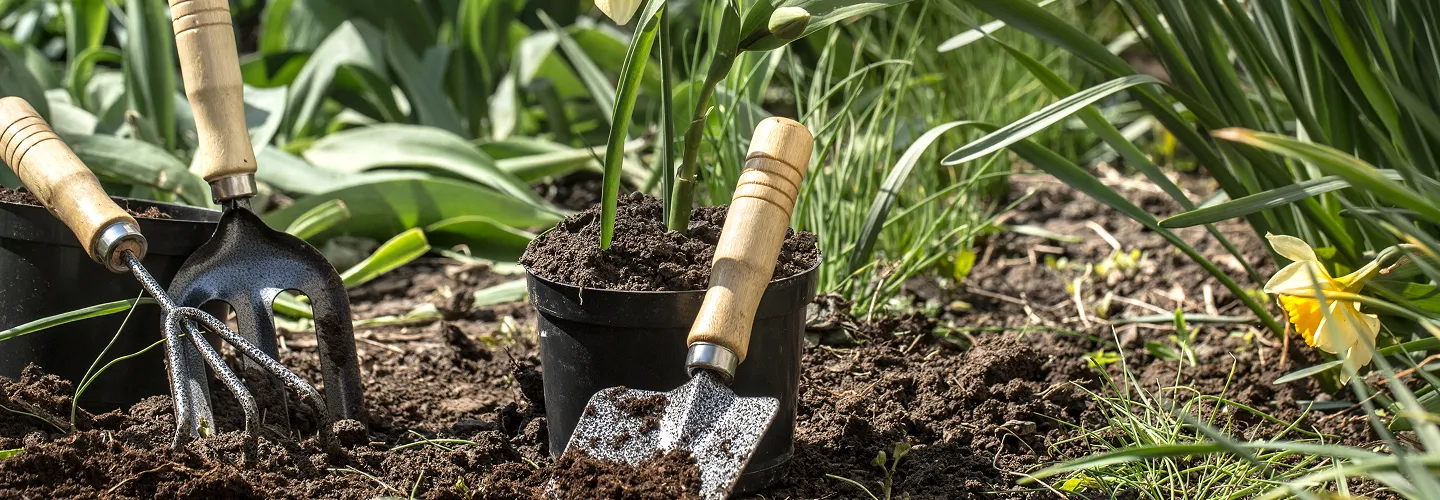
Middlefield Flower Planting Services
Choose our flower planting services for vibrant, healthy blooms that enhance your home's curb appeal and create a welcoming outdoor space, all handled by experienced professionals who care about your satisfaction.
Get a Free QuoteOur Middlefield Landscaping & Yard Care Services
When to Schedule Flower Planting in Middlefield, Connecticut – Seasonal Guide
Flower planting in Middlefield, Connecticut is best scheduled with careful attention to the region’s unique climate and landscape. The optimal planting windows typically fall in early spring, after the last frost date—usually mid-April for Middlefield—or in early fall, when soil temperatures remain warm but the risk of drought diminishes. Neighborhoods near Peckham Park and along Powder Hill Road often experience microclimates due to elevation and tree coverage, which can influence the best timing for planting.
Local environmental factors such as the town’s well-drained, loamy soils, variable humidity, and the occasional late spring frost all play a role in determining when to plant. Areas close to the Mattabesett Trail may have increased shade and moisture, while properties near Lake Beseck might contend with higher humidity and fluctuating water tables. For more detailed regional climate data, homeowners can consult resources like the Sudbury, MA municipal site, which offers helpful planting calendars and weather insights.
Local Factors to Consider for Flower Planting in Middlefield
- Proximity to wooded areas and tree density, affecting sunlight and soil moisture
- Terrain slope and drainage, especially in hilly neighborhoods
- Average precipitation and risk of late or early frosts
- Municipal watering restrictions or planting guidelines
- Soil composition and pH, which can vary between neighborhoods
- Shade coverage from mature trees or nearby structures
Benefits of Flower Planting in Middlefield
Expert Local Knowledge
Customized Landscape Designs
Seasonal Plant Selection
Enhanced Curb Appeal
Eco-Friendly Practices
Reliable Maintenance Services

Middlefield Flower Planting Types

Perennial Flower Beds
-
Annual Flower Displays
-
Native Wildflower Gardens
-
Seasonal Bulb Plantings
-
Pollinator-Friendly Plantings
-
Shade Garden Flowers
-
Container Flower Arrangements
Our Flower Planting Process
Site Evaluation
Soil Preparation
Plant Selection
Careful Planting
Watering and Mulching
Why Choose Middlefield Landscape Services
-
Middlefield Homeowners Trust Us
-
Expert Lawn Maintenance
-
Reliable Seasonal Cleanups
-
Competitive Pricing
-
Professional Team
-
Satisfaction Guarantee
-
Personalized Service
Middlefield’s Glacial Till Soils: Site Preparation and Amendment for Flower Planting
Flower planting in Middlefield requires careful consideration of the town’s predominant glacial till soils, which are classified as Inceptisols and Ultisols according to the USDA Web Soil Survey. These soils are typically rocky, moderately acidic (pH 5.5–6.5), and often poorly drained, especially in low-lying areas. Proper site preparation is essential to ensure healthy root development and long-term plant vigor. Recommended practices include:
- Removing stones and debris to a depth of 8–12 inches
- Incorporating 2–3 inches of compost tilled to a 6-inch depth
- Applying lime if soil pH is below 6.0 (based on soil test)
- Conducting a soil test through UConn Extension (typical cost: $15–25)
Coordination with the municipal Department of Public Works is advised for large-scale soil amendments or disposal of excavated material.
Middlefield Department of Public Works
393 Jackson Hill Road, Middlefield, CT 06455
Phone: (860) 349-7114
Official Website: Middlefield Department of Public Works
Optimal Flower Planting Windows and Weather Considerations in Middlefield
Middlefield is located in USDA Hardiness Zone 6b, with average last frost dates around May 10 and first frost dates near October 15. Successful flower planting depends on aligning installation with these seasonal windows and monitoring local weather conditions. The National Weather Service’s NWS Albany Office provides up-to-date forecasts for Middlefield. For annuals and tender perennials, plant outdoors only after soil temperatures reach 55°F (typically mid-May). For hardy perennials, early spring (April 15–May 15) or early fall (September 1–30) are optimal. Key timing guidelines include:
- Spring planting: April 15 – May 30 (soil temp 50–65°F)
- Fall planting: September 1 – September 30 (before first frost)
- Avoid planting during summer heat (June–August)
Monitor rainfall and soil moisture to prevent waterlogging, especially in poorly drained sites.
Native and Deer-Resistant Flower Species for Middlefield Landscapes
Selecting appropriate species is critical for sustainable flower planting in Middlefield, where deer browsing and variable soil moisture are common challenges. Native and deer-resistant species are recommended to reduce maintenance and support local biodiversity. Suitable options include:
- Full sun: Black-eyed Susan (Rudbeckia hirta), purple coneflower (Echinacea purpurea), daylily (Hemerocallis spp.)
- Partial shade: Coral bells (Heuchera americana), astilbe (Astilbe spp.), hosta (Hosta spp.)
- Deer resistant: Lavender (Lavandula angustifolia), Russian sage (Perovskia atriplicifolia), salvia (Salvia nemorosa)
- Native pollinator plants: Wild bergamot (Monarda fistulosa), Joe Pye weed (Eutrochium purpureum), cardinal flower (Lobelia cardinalis)
Consult UConn Extension for additional plant recommendations and diagnostic support.
Wetland Buffers, Stormwater Compliance, and Environmental Regulations in Middlefield
Flower planting near Middlefield’s wetlands, streams, and conservation areas is regulated to protect water quality and sensitive habitats. The Connecticut Environmental Protection Act and the town’s Conservation Commission require a minimum 25-foot no-disturbance buffer from delineated wetlands. Additional requirements include:
- No fertilizer or pesticide application within 50 feet of water bodies
- Prohibition of soil disturbance in regulated upland review areas (typically 100 feet from wetlands)
- Compliance with MS4 stormwater permit prohibiting plant debris in storm drains (Clean Water Act)
For projects near protected areas, coordinate with the Conservation Commission for review and approval.
Middlefield Conservation Commission
393 Jackson Hill Road, Middlefield, CT 06455
Phone: (860) 349-7114
Official Website: Middlefield Conservation Commission
Flower Planting Permits, Zoning, and Municipal Standards in Middlefield
Certain flower planting projects in Middlefield—such as those involving grading, retaining walls, or work within public rights-of-way—may require permits or zoning review. The Planning and Zoning Commission oversees:
- Setback requirements: Minimum 10 feet from property lines for planting beds
- Height restrictions: Fences or structures over 6 feet require permit
- Historic district guidelines: Special review for plantings in designated areas
- Permit application fee: $50–75; review period: 10–15 business days
All work must comply with local ordinances, including noise restrictions for equipment operation:
- Monday–Friday: 7:00 AM – 7:00 PM
- Saturday: 8:00 AM – 6:00 PM
- Sunday/holidays: Prohibited
Middlefield Planning and Zoning Commission
393 Jackson Hill Road, Middlefield, CT 06455
Phone: (860) 349-7114
Official Website: Middlefield Planning and Zoning Commission
What Neighborhoods Do We Serve Throughout Middlefield, CT?
- Rockfall Village: Characterized by mature trees, historic homes, and rocky glacial soils requiring extra site preparation for planting beds.
- Lake Beseck Area: Proximity to the lake and wetlands necessitates strict buffer compliance and careful species selection for moisture tolerance.
- Baileyville: Features newer developments with compacted fill soils and moderate drainage, often requiring soil amendment and pH adjustment.
- Higby Mountain Foothills: Steep slopes and shallow soils present erosion control challenges and require terracing or groundcover plantings.
- Main Street Corridor: Dense residential lots with overhead utilities and limited access, demanding careful planning for equipment and plant selection.
- Powder Hill District: Near conservation lands, this area has stricter environmental oversight and frequent deer browsing, favoring native and deer-resistant species.
- Laurel Brook Estates: Suburban neighborhood with larger lots, variable drainage, and occasional HOA landscaping guidelines affecting plant choices.